Photos courtesy of Legacy labor
Produce Grower: How did your company start, and why did you enter the H-2A sector of the industry?
Justin Bartlett: I started this business in 2020 with my brother-in-law, David Judah. We saw how so many growers were struggling with labor — how their legacies were at risk because they didn't have access to the workforce they needed. We wanted to be the kind of contractor growers could trust to take the risk and complexity of the H-2A program off their plate.
For us, it all comes back to relationships. We have workers willing to leave their families back at home for up to 10 months a year. That’s a huge sacrifice, so we work hard to make sure they have good jobs, good working conditions and a good place to live. When they’re taken care of, they show up with loyalty, energy and care — and that’s what growers need.
PG: How do you advocate for workers and for growers?
JB: Advocacy is a core part of what we do. I’ve been to Capitol Hill multiple times this year with groups like the International Fresh Produce Association, the National Council of Agricultural Employers, the U.S. Apple Association and AmericanHort. Our message to lawmakers is simple: If growers can’t afford labor, they can’t grow crops. If that happens, workers who have been dedicated to the industry for years will lose jobs, too.
We’re pushing for a freeze on the adverse effect wage rate because the rising cost is unsustainable for so many of our customers. Without change, some growers will be forced to cut back, which hurts both production and people. Advocacy isn’t just a side effort for us — it’s something we do four times a year at minimum. We make it a priority to be part of the conversations in D.C., shaking hands and making the case for workforce sustainability.
PG: What was your motivation for expanding into CEA, and how much do you expect to grow in that sector?
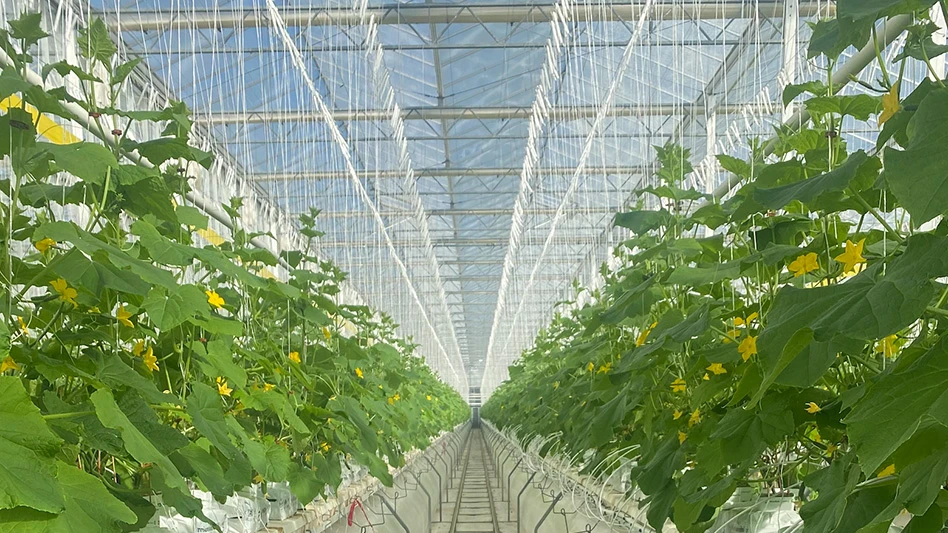
JB: Greenhouse production is growing fast, and we saw a need in this ever-changing and expanding space for reliable, consistent and compliant labor. Also, we understand greenhouse work, especially the food supply chain. Work in CEA greenhouses is typically consistent and predictable compared to field harvest work. We want to provide work for our employees that is in a clean and safe environment.

PG: In an age of automation, what do you think H-2A workers bring to companies that robots can’t?
JB: It is hard to compare robots to H-2A in general. I think we will see more automation and robots in controlled environments — that is just the reality. However, there will always be some sort of need for the human element or touch within the CEA space, and it will look different as time goes on. We always need to look for ways to be more efficient and cost-effective.
PG: What kind of testimony have you heard from companies who use the H-2A program?
JB: One of our customers told us they were constantly stressed and struggling to meet their buyers’ demands because they didn’t have the labor to keep up. After partnering with Legacy, they said they can finally sleep better at night knowing our crew will show up on time and get the work done. That kind of consistency has helped them not only meet production commitments but also start planning for growth. When growers know they have a dependable labor provider, they can shift their focus back to running — and expanding — their business.

Explore the July/August 2025 Issue
Check out more from this issue and find your next story to read.
Latest from Produce Grower
- OHP expands sales team with new hire and internal promotion
- New internship data empowers horticulture employers
- Resource Innovation Institute and The Ohio State University launch first national CEA training certificate for design and construction professionals
- Farm Bill passes out of House Committee on Agriculture
- Gotham Greens celebrates 15-year anniversary in CEA industry
- [WATCH] Taking root: The green industry’s guide to successful internships
- The Growth Industry podcast Episode 10: State of the Horticulture Industry
- BM2 Automation