Connecticut is one of the few states that has seen a steady increase in farming over the past two decades.
The third smallest state in the union, Connecticut has seen a 60 percent increase in its number of farms since 1982. The state now sports 6,000 farms. However, the state's farmland acreage has remained relatively stable, meaning that the average Connecticut farm is smaller now than it was two decades ago. The average farm acreage is now 73 acres.
So what is Connecticut doing differently than other states (where farming is seeing tangible decreases)?
Gary Keough, New England State Statistician for the National Agriculture Statistics Service, wrote about the topic for the USDA blog.
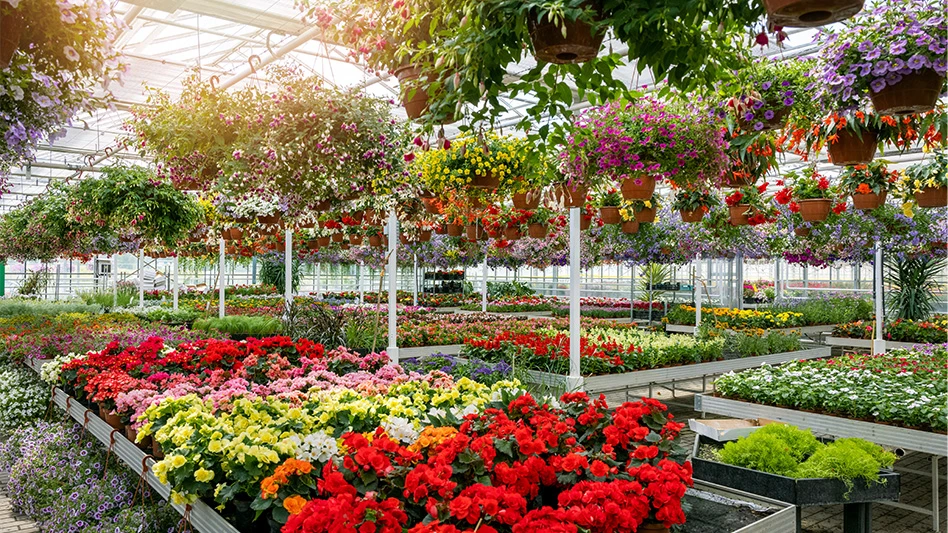
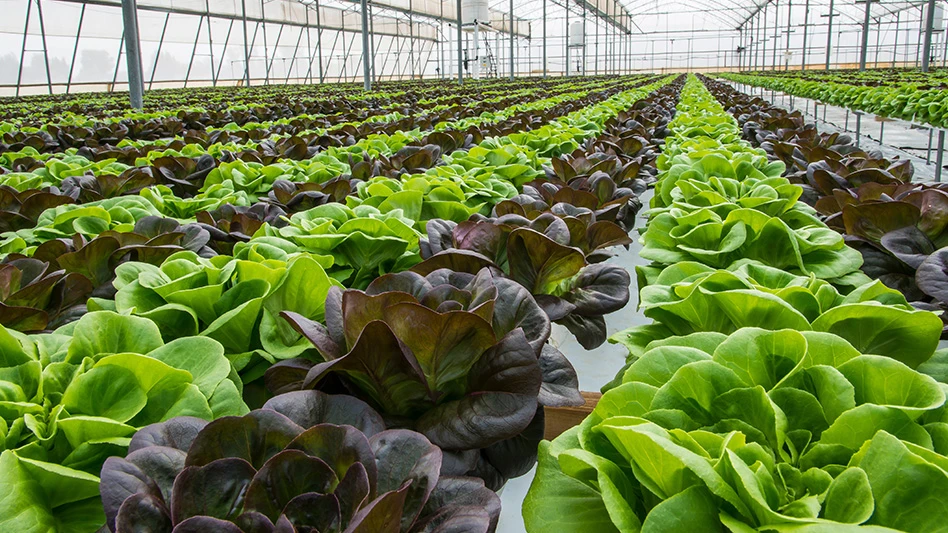
Keough notes that the state's agriculture industry is primarily focused on serving metropolitan hubs like New York City, Providence, RI., Boston, Mass., and Hartford, Conn. The state's industry focuses on growing produce, particularly bell peppers. According to Keough, 880 Connecticut nurseries, greenhouses, floriculture and sod farms grew and sold almost $253 million worth of those crops.
Connecticut farmers have also seen an increase in diversity. More than 25 percent of all farm operators in the state are women.
For more information, or to read Keough's entire blog entry, click here.
Latest from Produce Grower
- The Growth Industry Episode 10: State of the Horticulture Industry
- Bimi Baby Broccoli partners with Cal-Organic Farms
- Millennium Pacific Greenhouses launches California Grown Cucumber Program
- Scientists develop vitamin A-enriched tomato to fight global deficiency
- UTIA and UT Knoxville research teams will develop automated compost monitoring system
- [WATCH] Advances in growing media for CEA production
- [WATCH] Taking root: The green industry’s guide to successful internships
- Award winners announced for 2026 PHS Philadelphia Flower Show