Photo: josefkubes, Adobe Stock
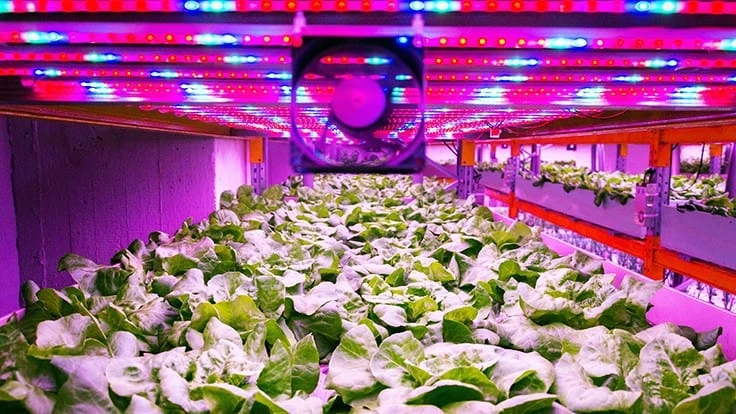
Indoor, urban vertical farms — which grow produce in warehouses with tightly controlled climate and light conditions — are seeing a surge in demand that could signal a lasting change in how we get our fruits and vegetables.
Why it matters: "People are more concerned about who is handling their food, where it's coming from, how many stops did it have before hitting the shelves," said Irving Fain, CEO of Bowery Farming.
"Those were always things people cared about, but this situation has amplified them and increased attention and focus on those variables."
The big picture: While the majority of people now live in cities, very little of our food is produced there.
Latest from Produce Grower
- The Growth Industry Episode 10: State of the Horticulture Industry
- Bimi Baby Broccoli partners with Cal-Organic Farms
- Millennium Pacific Greenhouses launches California Grown Cucumber Program
- Scientists develop vitamin A-enriched tomato to fight global deficiency
- UTIA and UT Knoxville research teams will develop automated compost monitoring system
- [WATCH] Advances in growing media for CEA production
- [WATCH] Taking root: The green industry’s guide to successful internships
- Award winners announced for 2026 PHS Philadelphia Flower Show