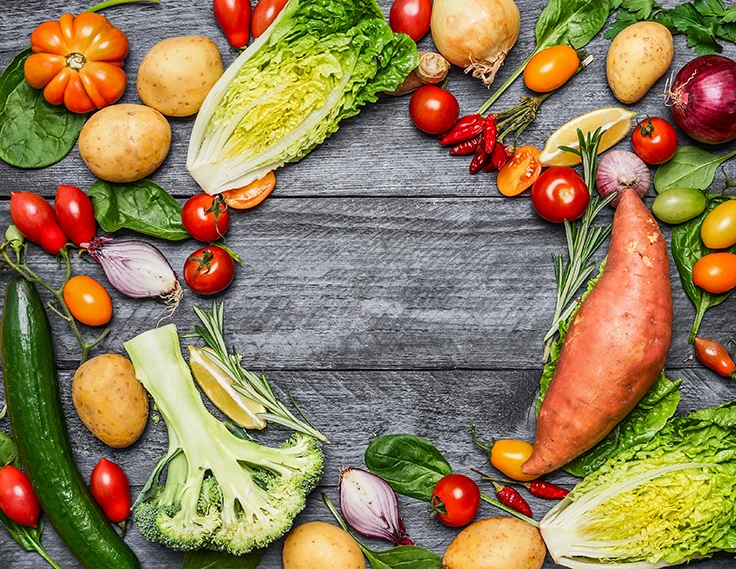
The results of a huge new meta-analysis published this week in the British Journal of Nutrition adds to the evidence that organic production can boost key nutrients in foods.
The findings are part of a growing body of evidence documenting how farming methods can influence the nutritional content of foods.
Another large meta-analysis published in 2014, also in the British Journal of Nutrition, found that organic crops — ranging from carrots and broccoli to apples and blueberries — have substantially higher concentrations of a range of antioxidants and other potentially beneficial compounds. That review included data from more than 300 studies.
For instance, organic crops had about 50 percent more anthocyanins and flavonols compared with conventional crop, according to the research. Anthocyanins are compounds that give fruits and vegetables, such as blueberries, their blue, purple and red hues.
Consumption of these compounds is linked to a variety of benefits, including anti-inflammatory effects. Flavonol compounds — found widely in fruits and vegetables — have also been shown to protect cells from damage, which can help fend off disease.
Photo: Dreamstime.com
Latest from Produce Grower
- [WATCH] Advances in growing media for CEA production
- [WATCH] Taking root: The green industry’s guide to successful internships
- Award winners announced for 2026 PHS Philadelphia Flower Show
- U.S. horticulture operations report $18.3 billion in sales: USDA
- Industry leaders call for action to support economic aid for specialty crops
- Sollum Technologies launches SF-INFINITE, a new LED fixture for commercial greenhouses
- ACT announces 2026 event series focused on resilience, energy, efficiency in greenhouse growing
- BioWorks appoints Chris Rose interim general manager