Adaptability is key to survival in any business..jpg)
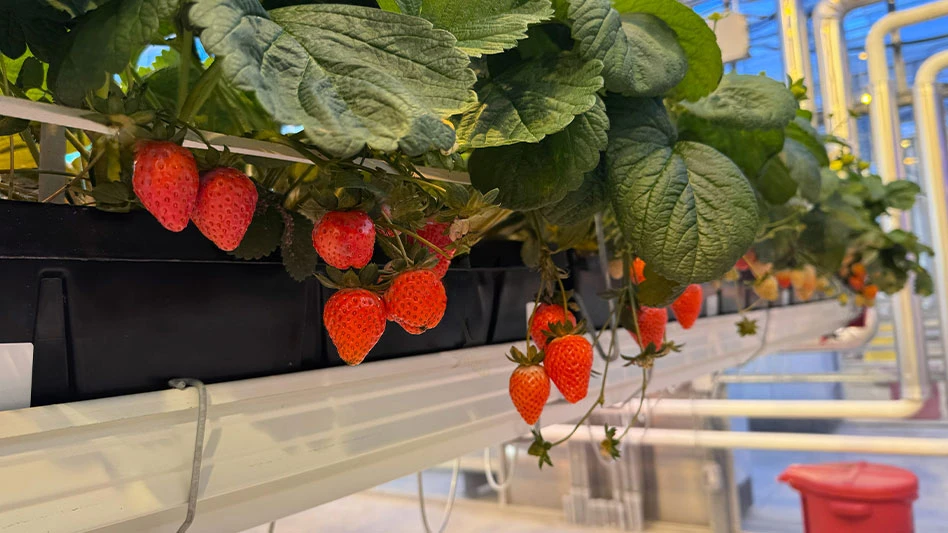
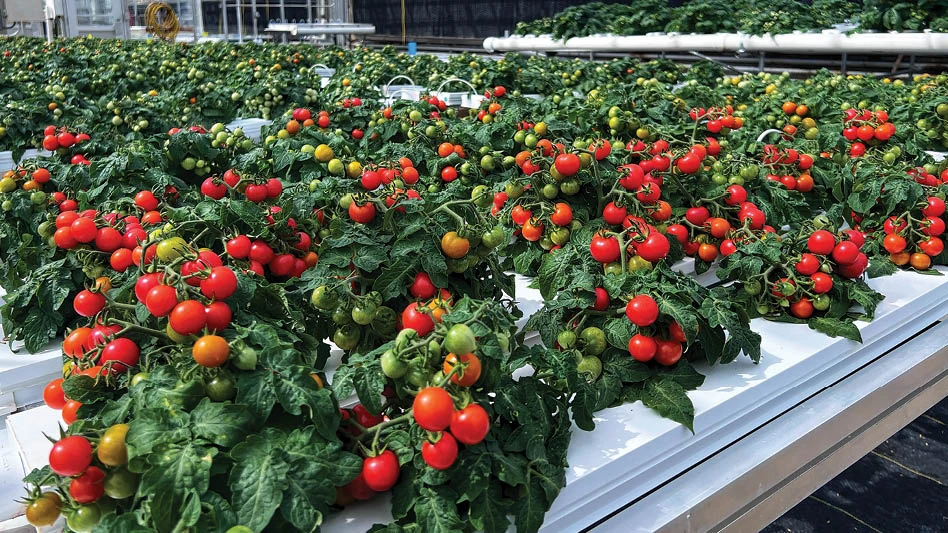
For Preferred Produce in Deming, New Mexico, that has meant making the jump from one niche edibles market to another. Matt Stong, owner of Preferred Produce, says his company has recently converted from being primarily devoted to organic produce to primarily growing kosher produce.
After watching organic produce prices drop consistently over the past couple years, as a result of oversaturation of the market, Preferred Produce decided try something new.
“We started out with organic but there are a lot of greenhouses that are now moving into organic growing,” Stong says. “We’re making the jump to kosher because we’re trying to stay in a niche market that isn’t being serviced by larger companies.”
The company’s size is the main driver for the decision.
“We’re very small and we’re not able to compete with larger greenhouses down in Mexico or in other parts of the country because we don’t have the scale. So we’re trying to focus on specialty customers and specialty crops that aren’t being serviced by larger companies,” Stong says.
That dedication to specialty crops has helped the business to thrive.
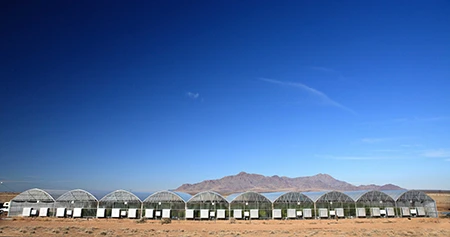
Preferred Produce has about two acres of greenhouse production nestled in the rural region of New Mexico. When they first opened, as an operation dedicated to organic production, they needed a greenhouse facility with more dedicated filtration than standard models. Beyond that, Stong says, their structural needs weren’t much different.
“When you’re using organic fertilizers they’re not always primed for drip irrigation systems, so you have to have filtration ready to deal with the larger particulate matter. Organic fertilizers have larger particulate matter than chemical fertilizers or traditional fertilizers,” Stong says.
However, having their operation primed for organic production made the conversion to kosher fairly easy. The only major component added to Preferred Produce’s facility was a series of temperature controls and monitors.
One of the other challenges facing Stong’s company was the harsh winds that rattled through the area. Armed with a PhD in Agriculture Engineering from the University of Arizona, Stong knew he needed a greenhouse structure (or two) that could withstand the inclement weather.
“We were looking at greenhouses that were reasonably strong and able to withstand the winds without any issue. We looked at Nexus for our first house. We chose them for the strength of their building. They put a lot of effort into adding extra support for roofs and wall-supports, and support for hanging plants from the roof. They made the structure more acceptable for the area we’re in,” he says.
Photo courtesy of Preferred Produce
Latest from Produce Grower
- Fresh Express releases four new Chopped Salad Kits
- Orbia Netafim releases AI-powered Dosing 5G product range for precision fertigation
- Village Fresh Greenhouse Grown appoints Helen Aquino vice president of innovation
- Resource Innovation Institute and North Dakota State University explore co-location of data center and greenhouses
- When CapEx kills the farm
- Rethinking competition
- The National Association of State Departments of Agriculture sets 2026 federal policy focus
- 3 takeaways from Indoor Ag-Con’s ‘The State of CEA Finance’ keynote panel