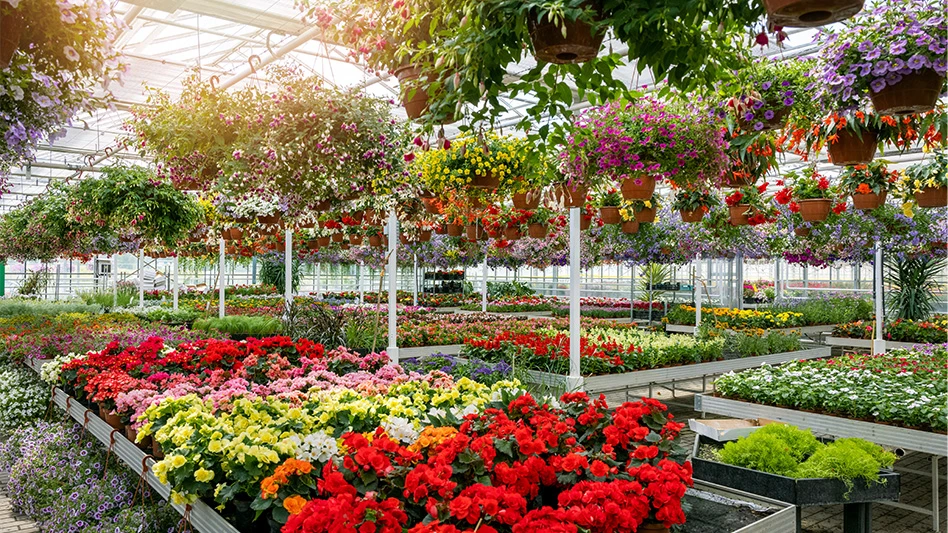
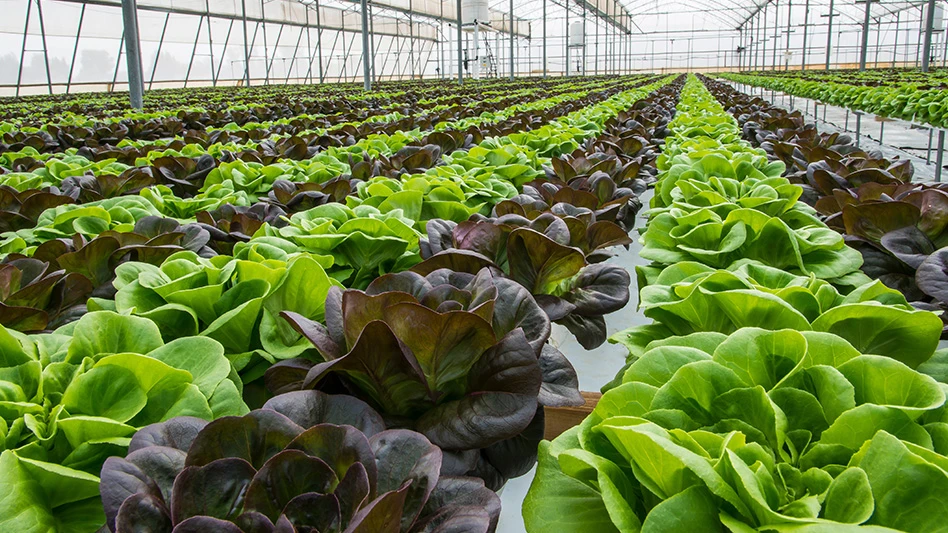
Even the most idealistic conversation about Maine’s ability to sustain itself with local food runs into the icy roadblock of winter. Supermarket chains, including the ones that actively seek out local food to sell, want reliable supply all year-round. Supporters of the idea say to meet that demand, Maine farmers would need large-scale greenhouses, which most can’t afford to fund on their own.
And few banks or lenders would be willing to make the investment to help them build that infrastructure; between the costs of heating the greenhouses and the potential for not finding a market, it’s too risky.
“It’s a vicious cycle,” said Tony Kieffer, managing partner with MaineAsia LLC, which has been working on the dilemma with the Maine Sustainable Agriculture Society and a coalition of agriculture, energy, industry and academic institutions around the state.
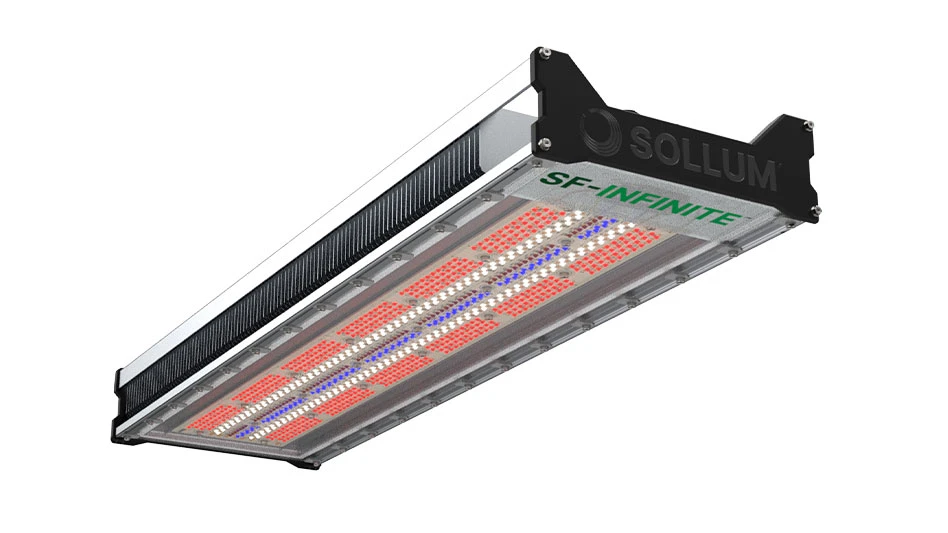
The group has reason to be optimistic, however. A $497,280 grant from the Maine Technology Institute announced Thursday will help fund four energy-efficient solar projects throughout the state, each intended to demonstrate that Maine agriculture doesn’t have to shut down in the winter. Two of the projects to be funded by the grant are affiliated with state academic institutions. In Fairfield, Kennebec Valley Community College will use its part of the grant to fund a part-time manager for a high-efficiency solar-powered greenhouse on its new Alfond campus, where students are studying sustainable energy, sustainable agriculture and starting this fall, culinary arts specifically oriented to farm-to-table cuisine.
To read the full story, visit www.centralmaine.com.
Latest from Produce Grower
- The Growth Industry Episode 10: State of the Horticulture Industry
- Bimi Baby Broccoli partners with Cal-Organic Farms
- Millennium Pacific Greenhouses launches California Grown Cucumber Program
- Scientists develop vitamin A-enriched tomato to fight global deficiency
- UTIA and UT Knoxville research teams will develop automated compost monitoring system
- [WATCH] Advances in growing media for CEA production
- [WATCH] Taking root: The green industry’s guide to successful internships
- Award winners announced for 2026 PHS Philadelphia Flower Show