By Simran Sethi for The Dallas Morning News.
For millennia, we’ve made decisions about what to grow or not grow — and what to eat or not eat. That’s what agriculture is: a series of decisions we, and our ancestors, have made about what we want our food and food system to look and taste like. But our ability to make these decisions — and indulge in our pleasures — is being compromised in ways that are unprecedented.
When I first learned of this, I was incredulous. I had spent my life obsessed with food — and it was disappearing? Why hadn’t I heard about this? How was this possible? The answer lies in the fact that many of these changes have happened slowly, over time. These losses in food are buried in the soil, tucked in beehives and hidden in cattle feedlots.They start with microorganisms invisible to the naked eye and echo through every link in our food chain — from soil to seed to pollinator, from plant to fish to animal — compromising the very ecosystems that make much of our food possible.
While some places in the world are experiencing an increase of diversity in certain parts of their diets, the general trend is the same one we see in phones and fashion: standardization. Every place looks and tastes more similar — and the country that sets this trend is America. The refined carbohydrates, animal proteins, and added fats and sugars that make up the majority of our diets have also become the template diet for the world.
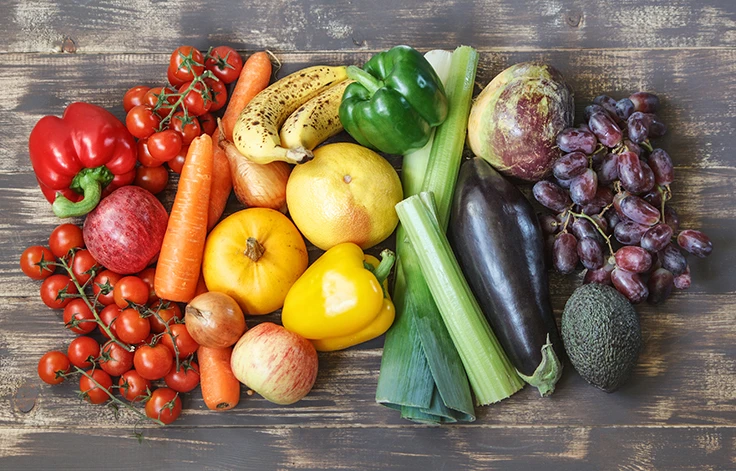
Reduced agrobiodiversity is dangerous: Putting all our eggs in one basket increases risk.
Photo: Dreamstime.com
Latest from Produce Grower
- The Growth Industry Episode 10: State of the Horticulture Industry
- Bimi Baby Broccoli partners with Cal-Organic Farms
- Millennium Pacific Greenhouses launches California Grown Cucumber Program
- Scientists develop vitamin A-enriched tomato to fight global deficiency
- UTIA and UT Knoxville research teams will develop automated compost monitoring system
- [WATCH] Advances in growing media for CEA production
- [WATCH] Taking root: The green industry’s guide to successful internships
- Award winners announced for 2026 PHS Philadelphia Flower Show