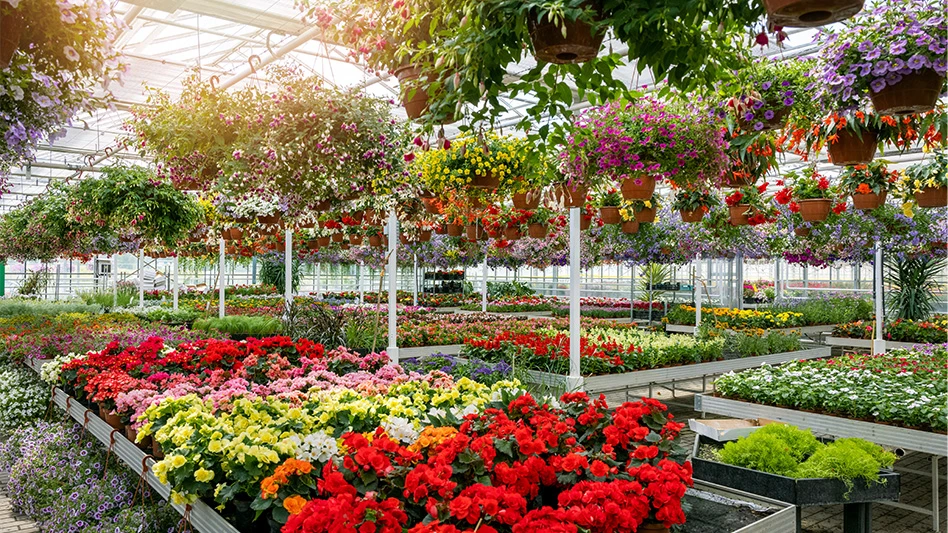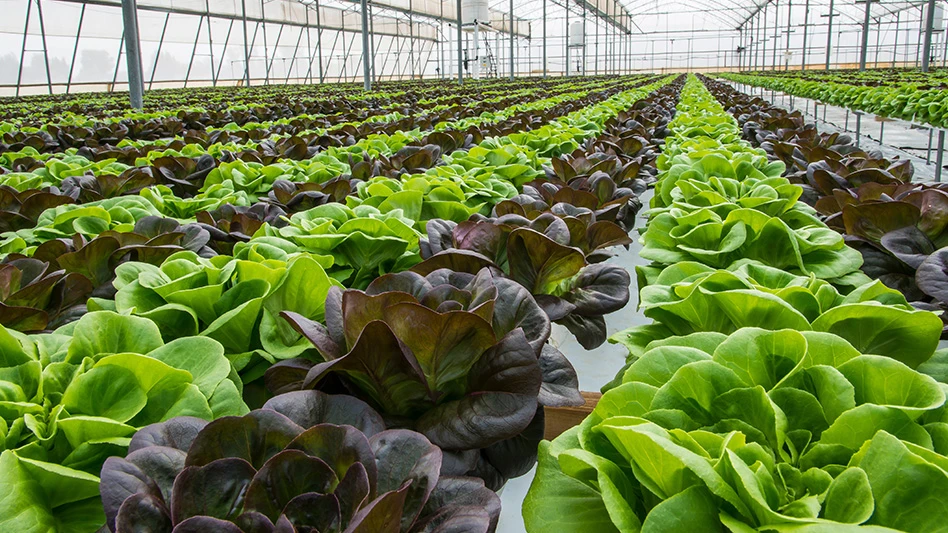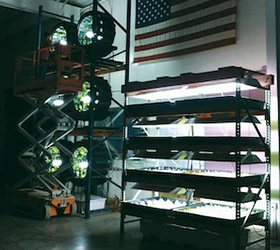
 Photo: Basil and Lettuce, neighbors in different vertical growing systems at Green Spirit Farms. Photo credit: Green Spirit Farms.
According to Green Spirit Farms‘ Research and Development Manager Daniel Kluko, the future of farming is heading in one clear direction: vertical. “If we want to feed hungry people this is how we need to farm,” said Kluko.
Kluko believes that vertical farming offers a very important benefit in today’s world of scarce land and resources— the potential for unparalleled plant density. After all, how else can a farmer grow 27 heads of lettuce in one square foot of growing space?
Green Spirit Farms was started by Daniel’s father Milan Kluko under his engineering company Fountainhead Engineering LTD. The idea for the farm emerged while the company was evaluating indoor, urban farm models in North America for a non-profit client—a process which piqued Milan Kluko’s interest about the viability of a vertical farming operation.
During the initial development phase, Fountainhead Engineering LTD experimented with a few hydroponic growing systems in their small engineering office. They worked on determining economic feasibility and sustainability, and even designed their own patent pending commercial vertical hydroponic system. When they were ready, they pursued funding from private sector investors and began to build Green Spirit Farms.
As the offspring of a well-known environmental engineering company, Green Spirit Farms had an overarching goal of sustainability from its inception. “Fountainhead Engineering has worked in the sustainability field for decades before sustainability was popular, so being sustainable for us was a no brainer,” said Kluko.
In order to realize its goal of absolute sustainability, Green Spirit Farms aimed to use less energy, less water, and much less space. Kluko says the farm uses 90% less water than traditional farming methods. In addition, it is a zero discharge operation and has zero soil and groundwater impacts from fertilizer or organic runoff. Other sustainability measures undertaken by the farm include the recycling of water from their water purification system, the composting of plant waste, the use of carbon neutral energy, and the use of compostable packaging.
Latest from Produce Grower
- The Growth Industry Episode 10: State of the Horticulture Industry
- Bimi Baby Broccoli partners with Cal-Organic Farms
- Millennium Pacific Greenhouses launches California Grown Cucumber Program
- Scientists develop vitamin A-enriched tomato to fight global deficiency
- UTIA and UT Knoxville research teams will develop automated compost monitoring system
- [WATCH] Advances in growing media for CEA production
- [WATCH] Taking root: The green industry’s guide to successful internships
- Award winners announced for 2026 PHS Philadelphia Flower Show